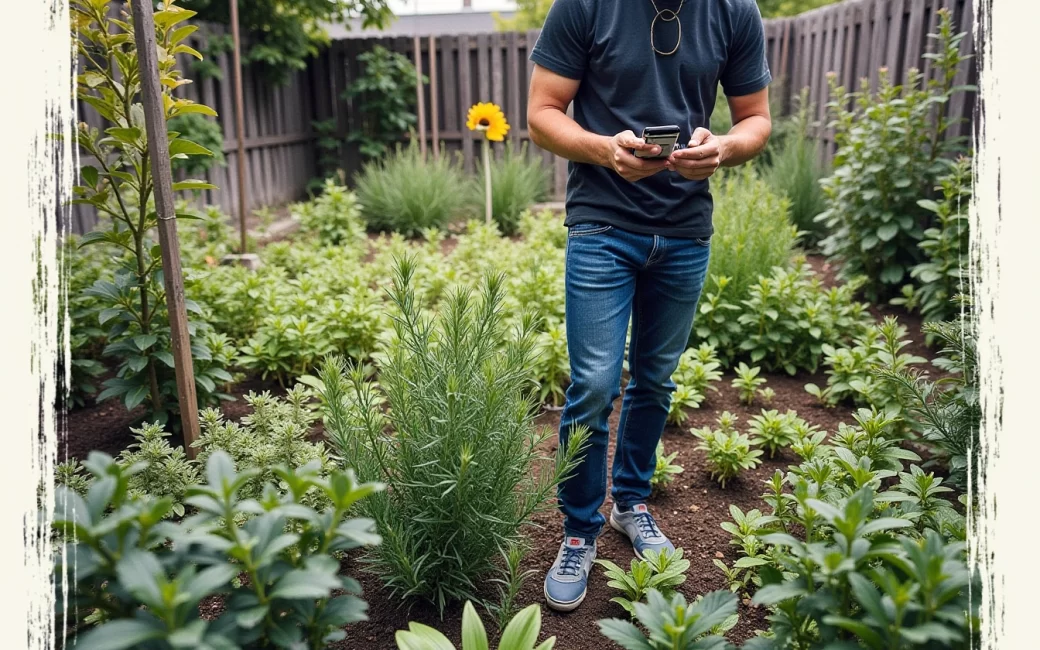
The "3-hour rule" is a rule of thumb, not a botanical standard: size the garden — its bed area, plant count, and mix of edible versus ornamental species — to roughly the number of hours a week the person actually has to give it, rather than to how much space or how many plant tags look appealing at the point of purchase. It isn't tied to a fixed number of square feet or a published horticultural source; it's a planning habit that shows up repeatedly in the same shape: a gardener overcommits on plant choice, the maintenance load exceeds the time available, and the bed declines regardless of how well the original plant list was chosen. The sections below work through where that mismatch actually starts, plant by plant and decision by decision.
Gardener buys a plant without checking its hardiness zone, sun needs or planting window
Most first-season failures start at the point of purchase, not in the ground. A plant bought because it looked good on the bench, without checking whether the local climate suits it, what light the planting site gets, or whether the calendar is even right for putting it in, is already working against itself before a trowel touches soil.
Set out at the wrong time — too early against a lingering frost, too late into summer heat — or in the wrong exposure, a plant that would otherwise have thrived simply fails to establish: root growth stalls, foliage scorches or drops, and the plant dies back within weeks rather than settling in.
The fix is to reverse the order of operations: check the plant's climate tolerance, sun requirement and the local planting window before it goes in the trolley, not after. Applied consistently, this turns any "best plants" list into a filter rather than a shopping list — a plant only earns a place in the garden if it clears all three checks for the site it's actually going into.
Beginner starts from seed and must manage germination, timing and thinning
Starting from seed adds a layer of management a first-time gardener often doesn't budget for: germination timing, temperature, watering consistency, and thinning seedlings once they're up. Any one of those steps done at the wrong moment can set the whole batch back or lose it outright.
When seedlings fail or fall behind, the practical fix for a first season is to buy garden-ready transplants instead of packets of seed. An established young plant has already cleared the riskiest stage of its life, which shortens the time to a usable harvest or bloom and removes several of the points where a beginner planting is most likely to fail.
Seed is worth returning to once the basic rhythm of a growing season is familiar — it's cheaper per plant and offers far more variety — but treating "seed or transplant" as a genuine first-season decision, rather than a shelf-price comparison, is what keeps an early garden from stalling before it starts.
Unprepared or poor soil
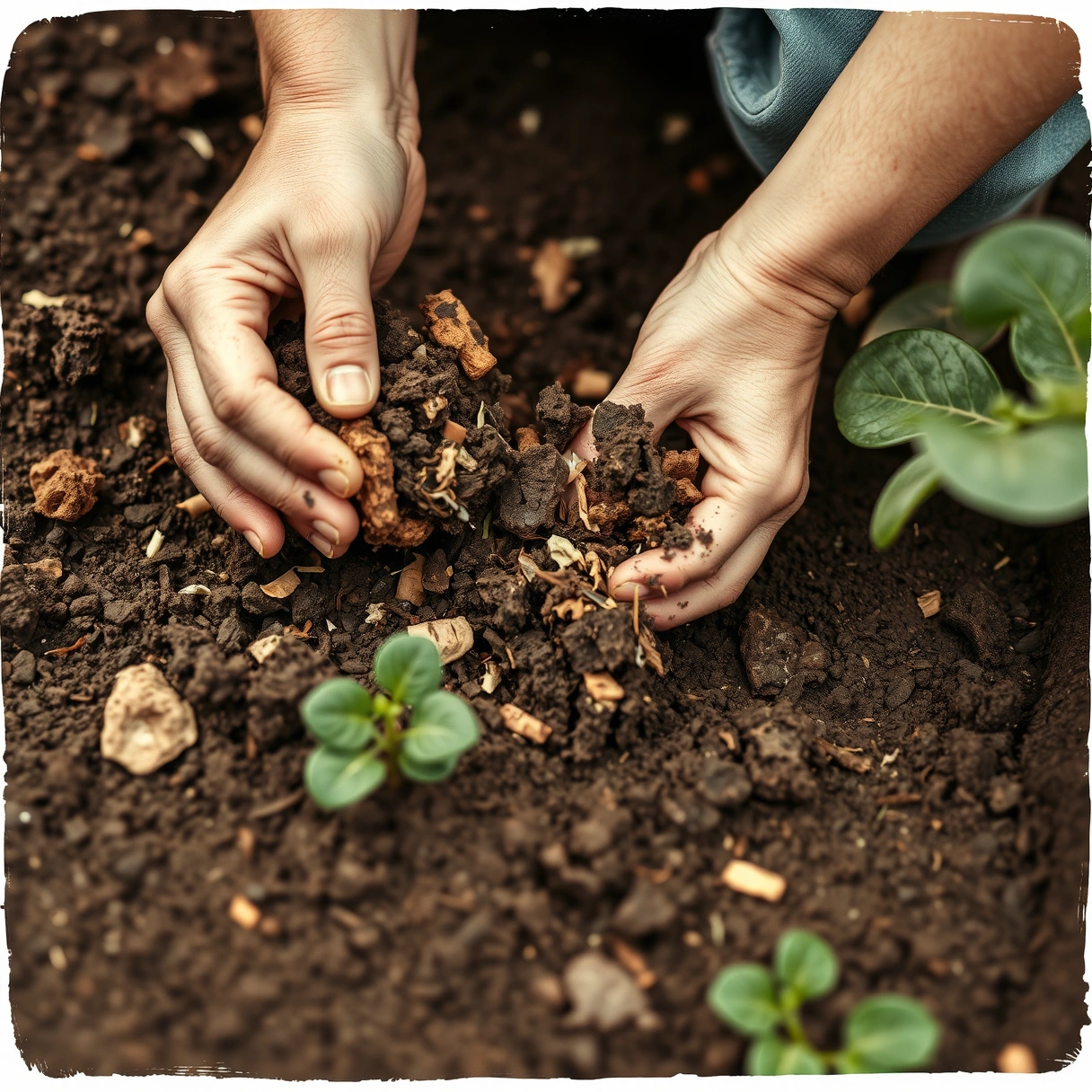
Even a well-matched, well-timed plant will grow weakly in soil that hasn't been prepared for it. Compacted, nutrient-poor or badly drained ground produces thin growth and low yield no matter how correctly the plant itself was chosen.
The fix comes before planting, not after: working organic matter into the bed, breaking up compaction, and correcting drainage where water sits rather than passes through. This is the step that most plant lists skip entirely, because it isn't about which plant to choose — it's about whether the ground that plant goes into can support it.
Done properly, soil preparation is what lets everything covered above actually pay off: the right plant, in the right season, in soil that can carry it to a usable harvest or a full season of bloom.
Gardener has little time for upkeep
A garden that looks good in spring can decline fast once time runs short — watering slips, weeding lapses, and higher-input plants show the strain first. The plants that suffer soonest are usually the ones that needed regular feeding, staking, deadheading or frequent watering to begin with.
The fix is to select toward the low end of the maintenance scale from the outset: species that tolerate irregular watering, don't need routine feeding, and hold their shape without staking. A garden built from these choices survives the weeks when nobody has time to tend it, rather than needing rescue each time attention lapses.
This is the same filter as the hardiness and sun checks above, applied to a different variable — instead of asking whether a plant suits the climate, it asks whether it suits the amount of time actually available for it.
Tree
A tree is the woody, perennial anchor of a planting list, distinct from the annual beds and seasonal borders around it. Unlike most vegetables and flowering ornamentals, a tree is chosen once and then lived with for years, so its eventual height, canopy spread and root reach matter far more at planting time than they do for anything replaced annually.
Because a tree changes the light and root competition for everything planted beneath it, its placement should be decided before the surrounding bed is designed, not fitted in afterward.
Garden plant
A garden plant, in the broadest sense, is any plant grown deliberately in a cultivated space rather than occurring there on its own — the term covers vegetables, fruit, flowers and trees alike. A garden itself is generally defined as a planned space set aside for cultivating plants, often combining several of these categories rather than committing to just one, which is why edible and ornamental choices are worth planning together rather than as separate lists.
Public gardens illustrate the range this umbrella covers, from the mixed outdoor collections at the U.S. Botanic Garden to seasonal display beds like Central Park's Conservatory Garden — both built from the same basic categories a home garden draws on, just at a different scale.
Vegetable crop
Vegetable crops are the edible, non-fruit plants — leafy greens, roots, brassicas, legumes — that dominate most home planting lists because they give a visible, harvestable result within a single season. Their appeal for a first garden is largely about that short feedback loop: sow or transplant, tend for weeks rather than years, and harvest.
They're also where the seed-versus-transplant decision and the soil-preparation step matter most directly, since a vegetable bed's yield is the most immediate way a gardener sees whether earlier choices paid off.
Fruit crop
Fruit crops — berries, dwarf fruit trees and vining fruit — sit alongside vegetables as edible choices but usually ask for a longer commitment before they produce anything worth eating. A newly planted fruit tree may take several seasons to bear, which makes it closer to the tree category above in terms of long-term site planning than to the fast-turnaround vegetable bed.
Mixing fruit into a vegetable and ornamental layout works, but it means designing around a plant that will still be there, and still growing, long after the annual vegetables have been replaced two or three times over.
Flowering ornamental
Flowering ornamentals are grown for bloom rather than for eating, and they're what most people picture when they picture a garden bed rather than a plot. Combined with vegetables and fruit in the same space, they extend color and interest through the parts of the season when edible crops are between harvests.
Small-space and container growing — a balcony rail, a courtyard corner — often lean almost entirely on ornamentals for exactly this reason, since a few well-chosen flowering plants can carry visual interest in a footprint too small for a productive vegetable bed, an approach covered in small-garden design guides like Good Housekeeping's small garden ideas.
Easy / beginner-friendly plant
"Easy" or beginner-friendly describes a plant's tolerance of inexperience — irregular watering, imprecise timing, a less-than-ideal site — rather than a fixed list of species. What makes a plant easy for one gardener may not hold for another, because the tolerance is relative to the specific mistakes a beginner is likely to make.
That's why the checks earlier in this piece matter more than any fixed "easy plants" list: a plant that's forgiving of poor timing but demanding of soil quality is only easy if the soil step was actually done.
Low-maintenance plant
A low-maintenance plant needs little ongoing watering, feeding or intervention once it's established, but "once established" is doing real work in that sentence — most plants need closer attention for their first weeks or months regardless of how little they'll need afterward. Judging a plant as low-maintenance from a first-season struggle skips that establishment period entirely.
Before adding another plant to a bed, check its established-care needs against the time actually available week to week, using the same measure the opening rule of thumb describes — then plant only what that time can realistically cover.