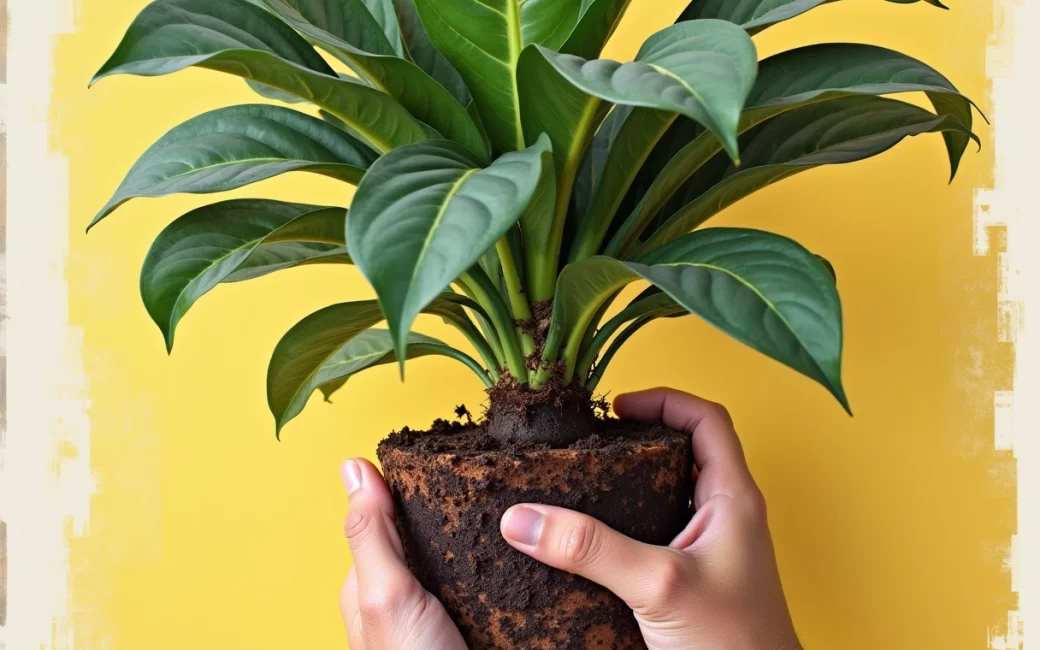
What to put in the bottom of a pot
Nothing needs to go in the bottom of a pot beyond the growing medium itself, provided the pot has a drainage hole. A layer of gravel, broken crockery or polystyrene beads sitting under the soil does not improve drainage the way it's commonly assumed to — water still has to pass through the soil above before it reaches that layer, and it tends to pool at the junction between the two materials rather than draining away faster. What actually matters is a pot with a hole, a soil mix that doesn't compact and hold water, and a saucer that lets excess water drain out rather than sit against the roots. If you're potting into a decorative outer pot with no hole, keep the plant in its inner nursery pot and lift it out to drain after watering rather than filling the base with stones.
How long a plant can stay in its nursery pot
A plant can usually stay in the plastic pot it's sold in for some time after you bring it home, as long as roots aren't visibly crowding the drainage holes or circling the surface of the soil. Repotting is driven by root growth and soil breakdown rather than a fixed calendar interval, so the better check is lifting the plant out occasionally and looking at the root ball rather than counting weeks. Moving straight into a much larger pot isn't usually necessary either — a pot one size up is enough, since too much surplus soil around a small root ball holds water the roots can't use.
Room gets little natural light
If a room only gets a short spell of weak daylight, a plant chosen for bright indirect light will struggle there regardless of watering. Light exposure — how much and how strong the available daylight is, and from what direction — is the condition that decides whether a given species can survive a spot at all, before soil or watering routine enter into it. The usual signs of a mismatch are slowed growth, leaves that pale or turn a washed-out yellow-green, and lower leaves dropping even though the soil feels fine. The fix is either to move the plant closer to the available window or to swap it for a species with genuine low-light tolerance, such as a snake plant, which is repeatedly listed among the houseplants that cope with dim rooms. Light mismatch is worth ruling out before touching the watering can — a plant that's dropping leaves in a dark corner usually needs relocating or replacing, not more or less water.
Watering on a fixed schedule rather than by soil condition
Watering on a set day of the week, rather than checking the soil first, is one of the more common causes of houseplant decline. If the pot or soil mix drains poorly, water applied on schedule has nowhere to go and the roots sit in saturated soil, which shows up as yellowing, softening or drooping leaves — symptoms that look almost identical to underwatering. How often to water indoor plants recommends checking the soil before watering rather than following a fixed interval, since how fast a pot dries out depends on light, temperature and the plant itself, not the calendar.
Telling overwatering from underwatering apart
Because both produce yellow or drooping leaves, the soil is the more reliable check than the leaves. Press a finger an inch or two into the mix: soil that feels wet and cool well below the surface points to overwatering, while soil that's dry and pulling away from the pot's edge points to underwatering. A pot that feels unusually light for its size is also a reasonably quick sign that it has dried out, while a pot that feels heavy for its size days after the last watering suggests water is being held rather than used. If leaves are yellowing and the soil is still wet, easing off is the fix; if they're crisping at the edges and the soil is dry, that's a watering gap, not a drainage problem.
Beginner wants houseplants but keeps an irregular routine
For a reader who knows watering will sometimes be missed or doubled up, the better strategy is choosing from species built to tolerate that, rather than picking by appearance and hoping the schedule holds. A plant such as a snake plant survives gaps between waterings and a dim corner without much visible stress, which keeps the care routine simple: infrequent watering, tolerant of low light, and no fussing over humidity. Selecting on tolerance rather than on how demanding a plant looks is the more useful filter for anyone who already knows their habits are inconsistent.
Plant chosen mainly for how it looks in a space
Choosing a plant to suit a room's décor first and its growing conditions second is a common source of conflict, since the space itself dictates the light exposure and humidity on offer regardless of what looks right there. A tall architectural plant picked for an empty corner away from any window is fighting the same light problem as any other shade-starved species. The way to reconcile the two is to choose, among the species that look right for the spot, the one whose light needs actually match what that spot gets — and to size a floor plant to the floor space it has rather than to how dramatic it looks in a photo, as planting and potting guidance suggests when matching plant to position.
Measuring the light a spot actually gets
"Bright indirect light" is easier to apply once it's tied to something observable rather than left as a phrase. A spot a few feet back from an unobstructed window, or one that gets light bounced off a pale wall rather than direct sun through the glass, is the rough test most guidance points to; direct sun falling on leaves for hours, or almost no shadow being cast at midday, mark the two extremes a plant's label is trying to describe. Watching the shadow a hand casts in that spot around midday — sharp and dark, soft-edged, or barely there — is a quick way to place a room's light exposure somewhere on that scale before buying a plant for it.
Choosing potting soil and drainage
The soil mix matters more than anything placed underneath it. A mix that includes material such as perlite or bark alongside the base compost drains faster and resists compacting, which reduces the saturated-soil problem that shows up as yellowing leaves. House plants notes that getting the compost and pot combination right is central to a plant settling in, which is why the drainage hole and the mix matter more than any layer added beneath them.
The first few weeks after bringing a plant home
A newly bought plant has usually come from a greenhouse with more light and more consistent humidity than most homes offer, so some leaf drop or dulling in the first weeks isn't automatically a sign of poor care. It's generally better to let the plant settle into its new light and watering routine for a few weeks before repotting, rather than repotting immediately on top of the stress of moving house. If roots are already circling the pot when you check, repotting into one size up is reasonable; if not, it can wait.
Pet and child toxicity as a selection filter
Some common houseplants are toxic if chewed or eaten, which matters as a selection criterion before a plant is bought, not after it's already in a home with pets or small children. Checking a species against this before buying is a simpler filter than researching it retroactively once the plant is already in place.
What to plant first
A reasonable starting list leans on tolerance for inconsistent watering and low light exposure rather than on appearance: snake plant, pothos and ZZ plant are the species most often pointed to for beginners, largely because they tolerate the two most common mistakes — missed watering and a dim room — better than most alternatives.
Start by matching one plant to one spot you can actually describe — its light, how often you'll realistically water it — rather than buying first and finding the spot afterward.